
Radon Testing When Buying a Home in Colorado: What Every Buyer Needs to Know
Radon Is More Common in Colorado Than You Might Think
Colorado is one of the highest-radon states in the country. The average indoor radon level here is 6.4 pCi/L, well above the EPA's action level of 4.0 pCi/L (that figure comes from CU Anschutz). About 50% of Colorado homes that have been tested come back above that threshold. According to CSU Extension, every county in the state is classified as EPA Zone 1, the highest-risk designation. This isn't a fringe issue. It's the baseline.
Radon is a naturally occurring radioactive gas produced by the breakdown of uranium in soil and rock. Colorado's geology, particularly the granite-heavy mountainous regions, means the ground here releases more radon than most of the country. It rises through the soil and finds its way into homes through foundation cracks, gaps around sump pits, crawl spaces, and other openings.
To put that in context: CU Anschutz researchers estimate that living in a home at Colorado's average radon level is roughly equivalent to 200 chest X-rays per year of radiation exposure. Radon is the leading cause of lung cancer in nonsmokers, which is why CDPHE and CSU Extension both strongly recommend testing.
That's why I recommend it on every transaction I work.
Order a Radon Test With Your Home Inspection
The easiest way to handle radon is to order the test at the same time as your home inspection. Schedule it during your inspection period so results come back before your inspection objection deadline. A licensed radon professional places a short-term test device in the lowest livable level of the home. Most tests run at least 48 hours.
Radon testers in Colorado are required to be licensed by the state through DORA. Always verify your tester's license before the test.
One important note about the test itself: all windows and doors must remain closed during the test, except for normal entry and exit. If the home has a basement, finished or unfinished, that's typically where the test device is placed. Radon concentrates at the lowest level, and an unfinished basement counts.
What if the home has a private well?
If the home draws water from a private well and air testing shows elevated radon, you should also test the water. According to CDPHE, "if your water comes from a private well and you found a radon problem when you tested the air in your home, you should also test the water." There are licensed professionals who specialize specifically in radon water testing. Your agent or inspector can point you to one.
What Colorado law requires from sellers
The Colorado contract to buy and sell real estate includes a required radon disclosure (section 10.13). Sellers must provide the buyer with any known information on radon test results for the property. The contract also references the CDPHE brochure "Radon and Real Estate Transactions in Colorado" and directs buyers to it at cdphe.colorado.gov/radon-and-real-estate.
The contract language is clear: radon is a Class A human carcinogen, the leading cause of lung cancer in nonsmokers, and the second leading cause of lung cancer overall. CDPHE strongly recommends that all home buyers have an indoor radon test performed before purchasing.
Here's the thing: seller disclosure of known results is not the same as a current test. A seller might have tested five years ago, or never at all. Test it yourself. The cost is small relative to what you're spending on the home.
What to Do When the Test Comes Back High
A result at or above 4.0 pCi/L is not a reason to walk away. In Colorado it's common enough that the process for handling it is well established. Most buyers submit an Inspection Objection requesting the seller install a licensed mitigation system before closing, or negotiate a credit to cover the cost. You can also include a retest in your resolution request, asking the seller to not only install the system but provide a passing retest result (below 4.0 pCi/L) before closing. Either approach works.
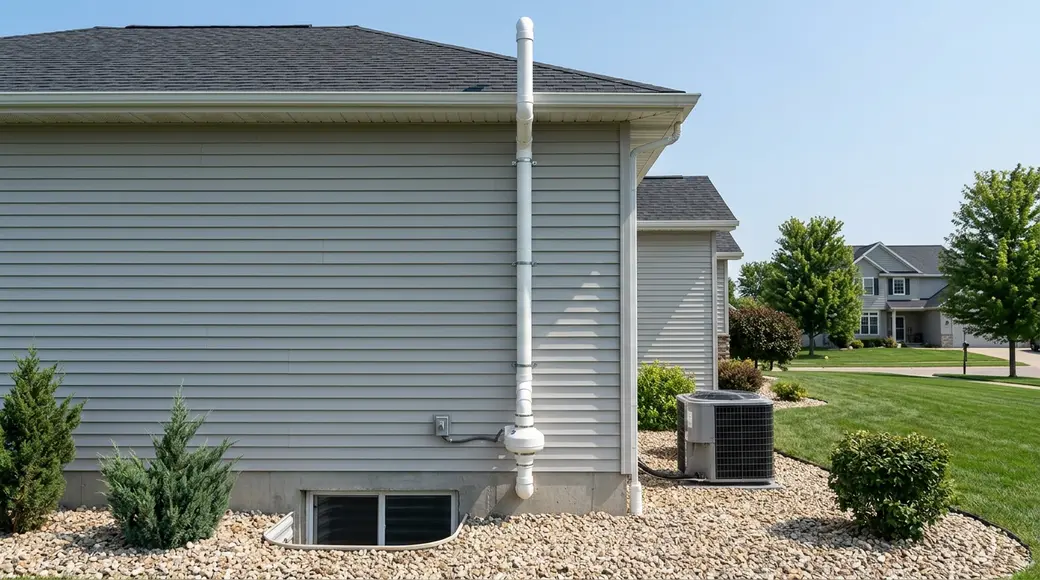
Mitigation in Colorado typically costs $800 to $2,500, depending on the home's foundation type and the complexity of the install. The most common method is Active Soil Depressurization (ASD): a fan and PVC piping pull radon from beneath the foundation and vent it above the roofline, where it disperses safely. The system runs continuously and quietly.
Mitigation contractors in Colorado must also be DORA-licensed. Verify before anyone does any work.
Already has a mitigation system installed?
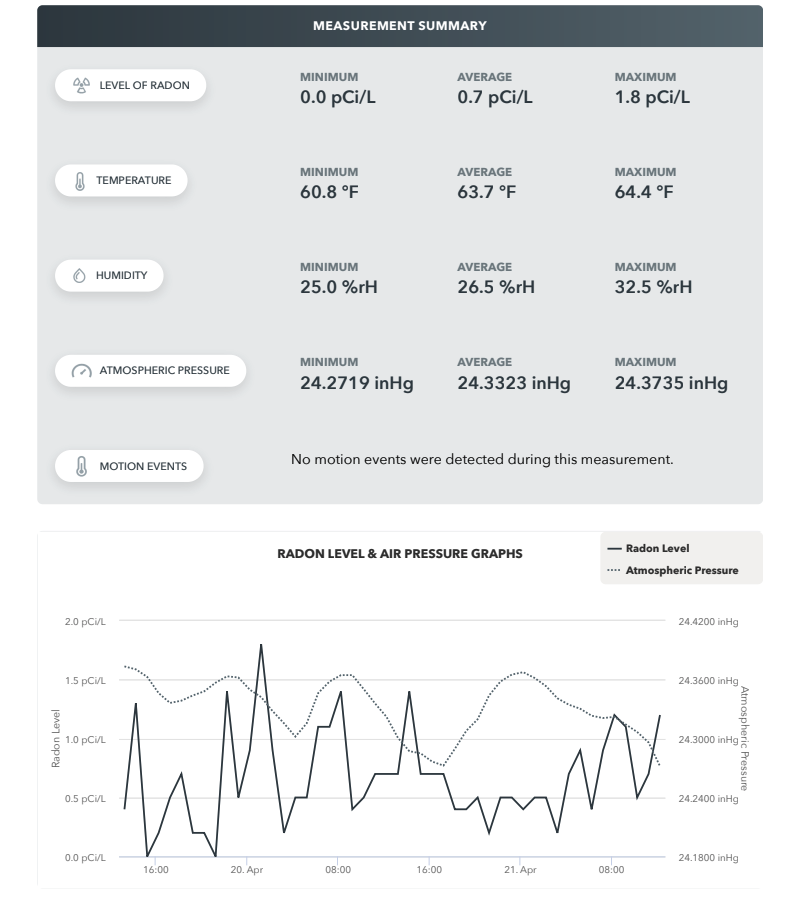
That's a green flag. It means a previous owner identified the problem and fixed it. Ask for the documentation showing when it was installed and what the post-mitigation test showed. Before closing, confirm current levels are below 4.0 pCi/L. You can negotiate a retest as part of your inspection resolution, ask the mitigation contractor to guide you through it, or order a mail-in kit online. The EPA recommends retesting every two years in any home with a mitigation system.
New Construction Isn't Automatically Safe
Some Colorado builders include radon-resistant features or passive PVC systems during construction. That's a good start. But a passive system is not the same as active mitigation. Passive systems rely on natural air pressure differences and don't use a fan. They reduce risk but don't guarantee low levels.
Before you close on a new build, ask your builder specifically whether the home has a passive system, an active system, or neither. Then test regardless. All 64 Colorado counties are Zone 1. A new certificate of occupancy doesn't come with a radon reading.
Not Buying Right Now? You Can Still Test.
Radon testing isn't only for buyers in the middle of a transaction. If you already own your home, are currently renting, or are looking at a rental, you can order a test on your own.
CDPHE maintains a list of licensed Colorado radon testers and testing resources at cdphe.colorado.gov/hm/testing-your-home-radon. The American Lung Association's Colorado page also has resources and guidance. DIY test kits are available through CDPHE and at most hardware stores for $15 to $30. You place the device in your home for the required time, then mail it to a lab for results. They're a legitimate first step for anyone who wants to know what's in their home's air.
Frequently Asked Questions
Is radon testing required when buying a home in Colorado?
No, it is not legally required for the buyer or seller to test. The Colorado contract requires sellers to disclose any known prior results and direct buyers to the CDPHE radon brochure, but that is not the same as a current test. I recommend every buyer test. It's an affordable add-on to your home inspection and gives you real information to work with.
Who pays for radon mitigation, the buyer or the seller?
That depends on how the negotiation goes. In most Colorado transactions, buyers request the seller handle it through the Inspection Objection process. Sellers can agree to install a system, offer a credit, or decline. If they decline, you decide whether the numbers still work or whether you move on.
What is the Colorado radon action level?
The EPA action level is 4.0 pCi/L. At or above that level, the EPA recommends mitigation. Colorado's statewide average indoor level is 6.4 pCi/L, which is already above the threshold.
Does a radon mitigation system hurt resale value?
No. A properly installed, functioning mitigation system is a neutral-to-positive signal for buyers. It shows the issue was found and addressed. Disclose it, provide documentation, and it's a non-issue in most transactions.
Categories
Recent Posts



"Whether you're buying your first home or your fifth, my job is to make sure you understand every step and never feel alone in the process."